
Author: Eric Norton, MA, LMFT, RPT
-
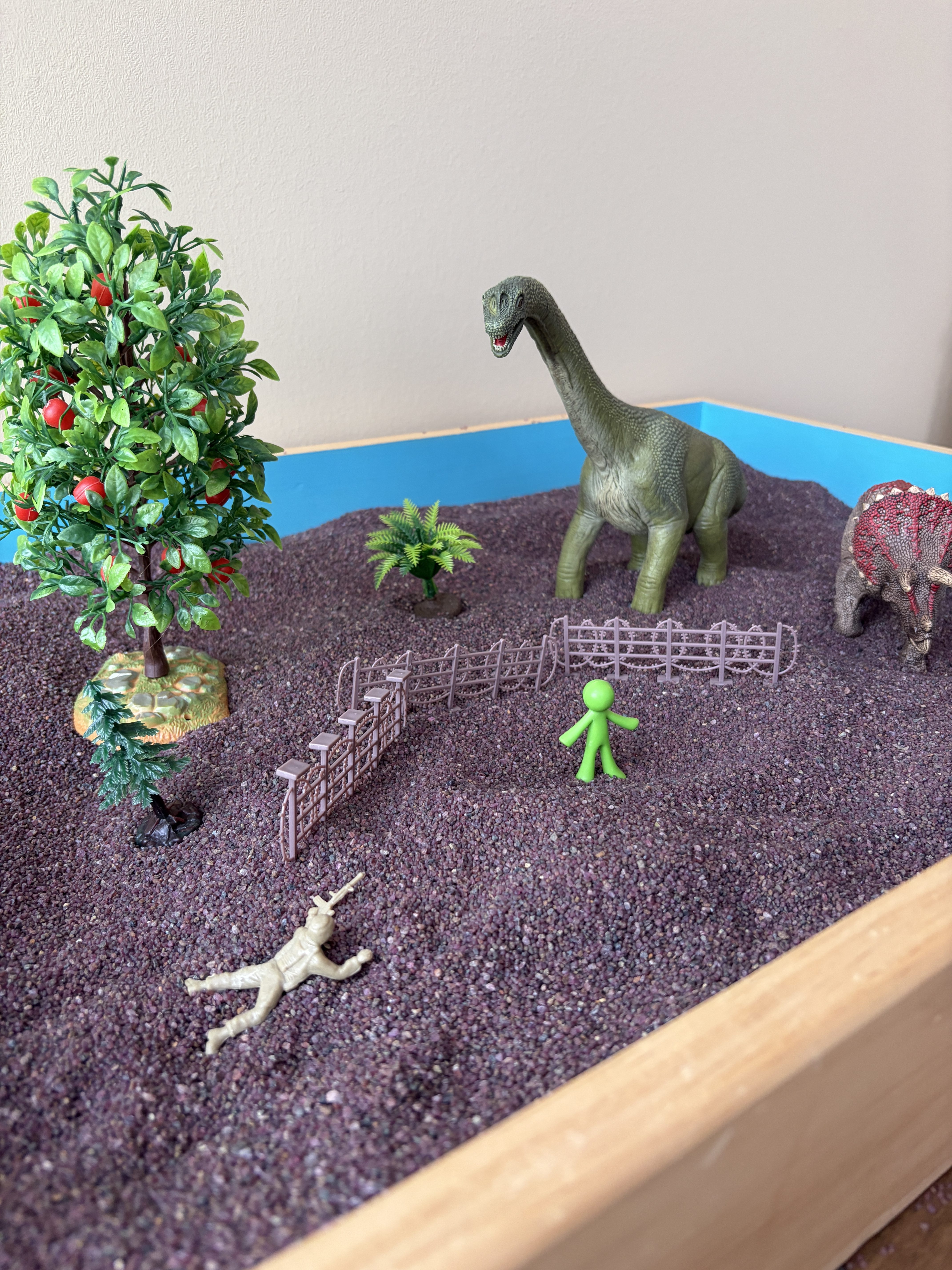
Sandtray Therapy: An Alternative to Talk Therapy
When most people hear the word therapy, they picture two people sitting in chairs talking. While talk therapy is incredibly effective for many people, it isn’t the only path toward healing. Sometimes our experiences, emotions, and memories are difficult to put into words. Other times, we understand what happened to us but can’t quite explain…
-

Play Therapy for Children During Divorce
Supporting Children Through One of Life’s Biggest Changes Divorce is one of the most significant transitions a family can experience. While adults often understand the reasons behind the separation, children rarely have the same perspective. Instead, they experience change through disrupted routines, uncertainty, and big emotions they often don’t have the words to express. As…
-

Helping Your Child Transition to Kindergarten: A Parent’s Guide to the Big Adventure!
Starting kindergarten is one of the biggest transitions in a young child’s life. For some children, it’s an exciting new adventure filled with new friends, teachers, and opportunities to learn. For others, it can feel overwhelming, scary, or even a little heartbreaking. As parents, it can be difficult to know how much support to offer,…
-

When Anger is Really Anxiety: Helping Young Boys with Emotions
Many parents come to therapy feeling confused about their son’s behavior. Maybe he has sudden meltdowns over small frustrations. Maybe school mornings turn into battles. Maybe he gets angry quickly, shuts down emotionally, or seems constantly on edge. Some boys become defiant. Others withdraw into video games, isolation, or silence. Underneath those behaviors, there is…
-

Is My Child “Oppositional”? What ODD Behaviors May Actually Be Trying to Tell Us
When a child is described as having Oppositional Defiant Disorder (ODD), parents often feel a wave of emotions: confusion, frustration, guilt, and sometimes shame. The language used around ODD can make it sound like a child is intentionally difficult, defiant, or “bad.” But from a therapeutic perspective especially one grounded in trauma-informed and play-based approaches,…
-

How To Talk To Your Kids About Gender
A guide for parents in Edina, Bloomington, and across Minnesota. Parents often tell me, “I want to get this right, but I’m afraid of saying the wrong thing.” Conversations about gender can feel tender, especially when you deeply love your child and want them to feel safe, confident, and understood. Whether your child is asking…
-

EMDR For All Ages
EMDR (Eye Movement Desensitization and Reprocessing) was developed by Francine Shapiro and is widely recognized as an effective treatment for trauma and distressing life experiences. Organizations like the American Psychological Association and the World Health Organization acknowledge its effectiveness for PTSD. But what excites me most about EMDR isn’t just the research, but how adaptable…
-

The Case of the Silent Teen
A story about a teen in therapy when words don’t come easily. Every so often, a case arrives that seems deceptively simple. The referral might sound like this: “They won’t talk. At all.”The parent’s voice carries concern, confusion, and hope tangled together. Therapy, after all, is supposed to involve talking. Isn’t it? Enter The Silent…
-

What is Play Therapy and How Does It Help Kids?
Children experience the world through movement, imagination, and play long before they can explain what they’re feeling. When something feels overwhelming, confusing, or painful, it often shows up in behavior rather than words. A child might become more irritable, withdrawn, or emotional, without being able to say why. Play therapy meets children exactly where they…